Strategic Applications of Cover Background in Digital Planning and Design
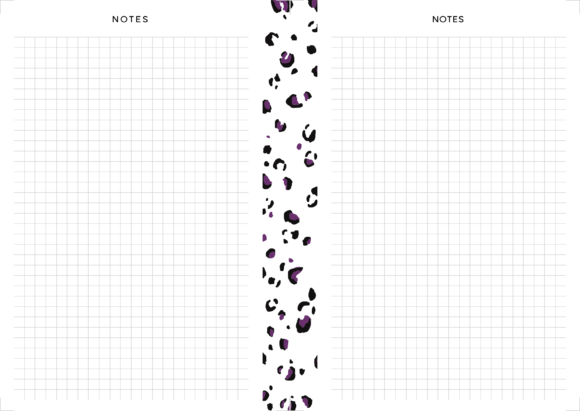
In an era defined by visual saturation and information overload, the distinction between a functional tool and a strategic asset often lies in the details. For professionals, educators, entrepreneurs, and creative practitioners, the initial impression of any document or digital interface serves as a critical touchpoint for engagement and trust. This is where the utility of a Cover Background transcends mere aesthetics to become a component of operational efficiency and brand consistency. Specifically, high-quality, printable PDF cover pages—such as those available in A5 formats—offer a versatile foundation for planners, notebooks, and professional communications.
The modern workflow demands tools that are both adaptable and visually cohesive. A well-designed cover background is not simply a decorative element; it is a structural anchor. It sets the tone for the content that follows, whether that content resides in a physical planner used for daily task management or a digital PDF distributed to clients. By understanding the strategic value of these assets, users can move beyond random decoration and toward intentional design choices that support clarity, productivity, and professional positioning.
The Strategic Value of Visual Cohesion in Planning
Planning is inherently an act of organization, but effective planning requires more than just lists and dates. It requires a system that reduces cognitive load and enhances focus. When individuals use printable planner pages or notebook papers, the visual environment plays a significant role in their ability to engage with the material. A generic, cluttered, or mismatched cover can create subconscious friction, whereas a clean, purposeful Cover Background signals order and intention.
- Reducing Decision Fatigue: Entrepreneurs and freelancers often face hundreds of micro-decisions daily. Providing a pre-designed, aesthetically pleasing cover allows them to bypass the time-consuming process of designing their own materials, freeing up mental energy for higher-value tasks.
- Enhancing Retention: Studies in visual learning suggest that structured, visually appealing documents are more likely to be reviewed and retained. A strong cover image acts as a visual cue, helping the user quickly identify and retrieve specific plans or notes from a stack of papers or a digital folder.
- Professional Branding: For small business owners and marketers, every document sent to a client is a branding opportunity. A custom cover background ensures that even internal planning documents reflect the same level of care and professionalism as external marketing materials.
The availability of A5 size PDF files further enhances this strategic advantage. The A5 format, being half the size of standard A4 paper, offers a compact yet legible canvas that is ideal for portability. It fits easily into bags and briefcases, making it perfect for on-the-go professionals who need to reference their plans during meetings or commutes. The digital nature of the PDF file means that users can print exactly what they need, when they need it, supporting a flexible and sustainable approach to work.
Beyond Planners: Diverse Use Cases for Creative Assets
While the primary market for printable planner covers may seem limited to personal organization, the versatility of a high-resolution Cover Background extends across multiple disciplines. Recognizing these broader applications allows creators to maximize the value of their assets and explore new revenue streams or project possibilities.
Scrapbooking and Physical Crafts
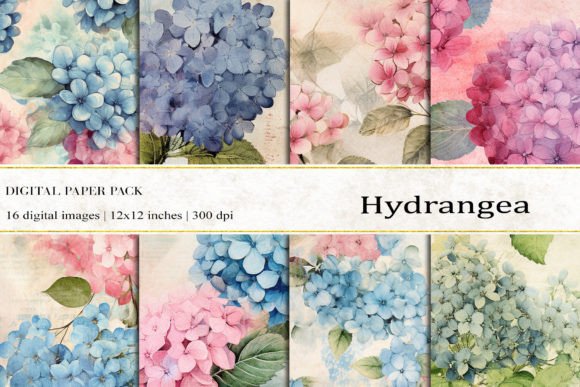
For hobbyists engaged in scrapbooking, cardmaking, and collage art, a digital cover background serves as a premium base layer. Instead of starting from a blank white page, which can feel stark and unfinished, creators can utilize textured or patterned backgrounds that add depth and character immediately. These backgrounds can be printed at home or through professional services, allowing for the creation of bespoke photo albums and memory books that reflect personal style without the cost of custom graphic design services.
Digital Design and Web Graphics
Web designers and developers frequently require background elements for landing pages, email newsletters, and social media graphics. A Cover Background designed with sufficient resolution and appropriate color profiles can be repurposed as a hero image or a section divider. This cross-platform utility ensures that design systems remain consistent across different mediums, reinforcing brand identity whether the user is viewing a website on a desktop or holding a printed invitation.
Event Management and Invitations
Parties, corporate events, and community gatherings rely heavily on first impressions. Invitations and letterheads serve as the handshake of the event world. Using a sophisticated cover background for these items elevates the perceived value of the occasion. Whether it is a birthday party, a wedding, or a business conference, the choice of background communicates the tone before a single word is read. A minimalist background might suggest exclusivity and modernity, while a vibrant one might convey celebration and energy.
Implementation Guidelines for Optimal Results
To leverage the full potential of a Cover Background, users must approach its application with strategic intent. Randomly applying textures or colors without consideration for context can lead to visual noise rather than clarity. The following guidelines outline how to integrate these assets effectively into various workflows.
- Define the Purpose First: Before selecting or printing a cover, determine its function. Is it for a personal journal requiring durability? Is it for a client proposal requiring elegance? The purpose dictates the choice of background style, color palette, and font pairing.
- Maintain Readability: One of the most common mistakes in design is prioritizing aesthetics over legibility. Ensure that text placed over a Cover Background has sufficient contrast. If using a busy pattern, consider adding a solid overlay or choosing a simpler background to ensure that titles and dates remain clear and easy to read.
- Consider Print Quality: Since these assets are provided as PDF files, the final output depends on the printing method. Home printers may struggle with fine details or accurate color reproduction. For professional results, such as business cards or high-end invitations, consider using professional printing services that support high DPI (dots per inch) rendering. This ensures that the nuances of the background design are preserved.
- Create a System: Organize your library of cover backgrounds by category (e.g., "Business," "Personal," "Creative"). This categorization speeds up the decision-making process, allowing you to select the right asset quickly and maintain consistency across your projects.
Risks and Considerations in Asset Usage
While the benefits are substantial, there are risks associated with the unthinking use of digital assets. Understanding these pitfalls helps users avoid common errors that can undermine their efforts.
Lack of Originality: In a crowded marketplace, relying solely on stock backgrounds can make a brand appear generic. To stand out, users should customize the Cover Background where possible. Adjusting brightness, overlaying logos, or combining multiple layers can transform a standard template into a unique asset that reflects individual identity.
Technical Limitations: Not all devices render PDFs identically. A cover that looks perfect on a high-resolution monitor may appear pixelated or distorted when viewed on a mobile device or printed on certain paper stocks. Always test-print samples and view digital versions on multiple screens before committing to large-scale production.
Contextual Mismatch: Using a playful, colorful background for a serious financial report can send mixed messages. Strategic alignment between the visual tone and the content is crucial. A mismatch can erode credibility and confuse the audience about the seriousness or intent of the communication.
Long-Term Benefits of Intentional Design
Investing time in selecting and utilizing high-quality Cover Background assets yields long-term dividends. For educators, organized and visually appealing course materials improve student engagement. For bloggers and publishers, consistent cover designs build brand recognition across a series of articles or e-books. For freelancers, polished deliverables enhance client satisfaction and increase the likelihood of repeat business.
Moreover, the shift towards digital planning and remote work has increased the importance of virtual presence. A well-designed digital cover for a presentation or a shared document contributes to a positive user experience. It demonstrates attention to detail and respect for the recipient’s time and attention. In a competitive landscape, these subtle cues can differentiate a professional from the crowd.
Ultimately, the goal is not merely to decorate, but to communicate. A Cover Background is a powerful tool in the communicator’s arsenal. By treating it as a strategic element rather than an afterthought, individuals and businesses can enhance their operations, strengthen their branding, and achieve better results in their planning and creative endeavors. The key lies in intentionality: choosing the right background for the right purpose, ensuring that every visual element serves a clear and meaningful function.