Abstract Planner Sticker Sheet: Integrating Digital Aesthetics into Professional and Personal Workflows
In the modern landscape of productivity and creative design, the distinction between physical organization and digital asset management is increasingly blurred. For professionals, entrepreneurs, educators, and hobbyists alike, the need for visual consistency and efficient workflow management remains constant. This is where the Abstract Planner Sticker Sheet emerges not merely as a decorative add-on, but as a functional tool that bridges the gap between analog planning habits and digital execution. Whether you are managing a complex project timeline, designing brand assets, or simply organizing your personal life, understanding how to integrate high-quality digital stickers into your routine can significantly enhance both efficiency and aesthetic appeal.
Understanding the Asset: Format and Technical Specifications
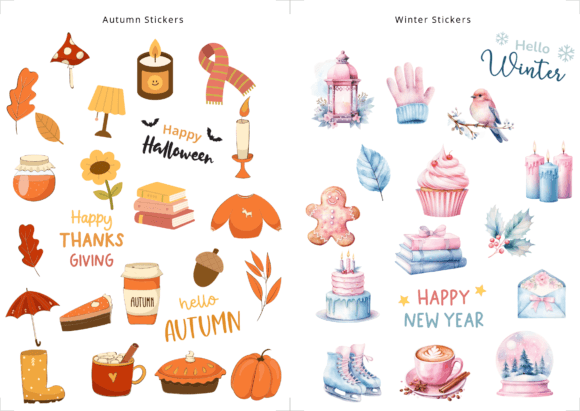
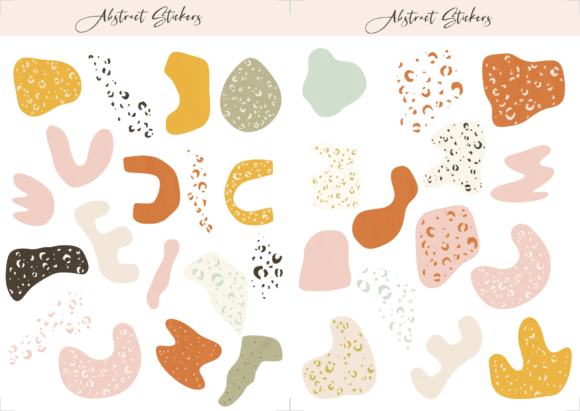
Before discussing implementation, it is crucial to understand the technical nature of the product. The Abstract Planner Sticker Sheet is provided in two primary formats: an A4 size sheet and an A5 size sheet. Both versions are delivered as PDF files with a resolution of 300 dpi, ensuring crisp, high-fidelity reproduction whether used on screen or in print. A key feature of these sheets is the inclusion of an uncut background image. This specific detail is vital for users who intend to print and cut the stickers manually, as it provides a clear guide for alignment and trimming.
The versatility of the format allows for dual-use scenarios. You can utilize the stickers purely within digital planning applications, leveraging their transparency and precise dimensions to annotate digital calendars and notes. Alternatively, the high-resolution PDFs allow for physical printing. By printing the sheet and cutting along the designated lines, you create tangible assets that can be applied to physical planners, journals, or scrapbooks. This flexibility ensures that the asset serves users regardless of their preferred medium, making it a robust component of a hybrid workflow.
Integration into Digital Planning Workflows
For the significant portion of the target audience—ranging from freelancers to corporate professionals—who rely on digital tools like GoodNotes, Notability, OneNote, or iPad-based planners, abstract stickers serve as powerful organizational markers. Unlike literal icons (such as a phone for "call" or a calendar for "meeting"), abstract designs offer a layer of semantic neutrality. They allow users to categorize tasks based on color theory, shape, or texture rather than rigid literalism, which can reduce cognitive load and make planning more intuitive.
Implementation Strategy:
- Color-Coding Systems: Use the abstract patterns to establish a consistent color code across different projects. For instance, assign a specific abstract texture to "Urgent Tasks" and another to "Long-term Goals." This visual shorthand allows for rapid scanning of weekly or monthly views.
- Section Dividers: In long-form digital documents or multi-page planners, use larger abstract sticker elements as section headers or dividers. This breaks up dense text and improves readability.
- Status Indicators: Create a legend using small abstract dots or shapes to indicate task status (e.g., completed, in progress, blocked) without cluttering the interface with heavy graphics.
The 300 dpi resolution ensures that when you zoom in on your digital canvas, the edges remain sharp, maintaining a professional appearance in client-facing presentations or shared team dashboards.
Physical Application and Creative Production
While digital adoption is high, the tactile satisfaction of physical planning has seen a resurgence among educators, students, and creative directors. The Abstract Planner Sticker Sheet is designed with this audience in mind. The inclusion of the uncut background image is particularly useful here. When printing, this background acts as a registration mark, helping align your printer and subsequent cutting process.
Workflow for Physical Creation:
- Preparation: Select high-quality sticker paper or label stock compatible with your printer type (inkjet or laser). Ensure the paper weight is suitable for the adhesive backing you plan to use.
- Printing: Print the PDF at 100% scale to avoid resizing issues. Verify that the 300 dpi output matches your printer’s capabilities to prevent pixelation.
- Cutting: Using the uncut background as a guide, carefully cut out the individual sticker elements. Precision here is key to ensuring they fit seamlessly into standard planner grids.
- Application: Apply to physical planners, bullet journals, or office binders.
This process transforms the digital file into a tangible resource, extending the lifecycle of the asset beyond the screen. It is particularly effective for individuals who find that writing by hand enhances memory retention and focus, a common practice among researchers and writers.
Broader Creative and Business Use Cases
The utility of the Abstract Planner Sticker Sheet extends well beyond traditional planning. Its abstract nature makes it a versatile graphic element for various design projects. Because the designs are non-representational, they do not carry specific cultural or contextual baggage, allowing them to blend seamlessly into diverse branding efforts.
Design and Branding Applications:
- Invitations and Cardmaking: Use the stickers as embellishments for wedding invitations, event cards, or greeting cards. Their abstract elegance adds a touch of sophistication without overwhelming the typography.
- Web Graphics and Social Media: Extract individual sticker elements to use as accents in web design, blog posts, or social media stories. They can serve as subtle background textures or highlight markers for key information.
- Business Collateral: Incorporate the patterns into business cards, letterheads, or stationary. The high-resolution quality ensures that even small details look polished and professional.
- Fabric Printing and Home Decor: For craft-oriented users, these designs can be transferred onto fabric for custom t-shirts, tote bags, or home decor items like pillows and wall art. The abstract style lends itself well to textile patterns, offering a modern, artistic flair.
Factors Influencing Quality and Long-Term Usability
When integrating any digital asset into a workflow, considerations of compatibility and longevity are paramount. The PDF format chosen for the Abstract Planner Sticker Sheet is widely supported across operating systems and software platforms, minimizing compatibility issues. However, users should be aware of the following factors to ensure optimal results.
Resolution and Scalability: While 300 dpi is excellent for print and standard screen viewing, extreme scaling down may result in loss of detail in intricate abstract patterns. Always preview the stickers at their intended size before finalizing designs. For large-format prints, such as banners or fabric rolls, consider vectorizing the elements if possible, though the raster PDF is sufficient for most standard applications.
Consistency in Design: To maintain a cohesive look across multiple projects, keep a library of these stickers organized. If you are using them for branding, store the specific hex codes or color palettes associated with the abstract patterns in your brand guidelines. This ensures that the visual identity remains consistent whether the asset is used in a digital planner or printed on packaging.
Organization and Accessibility: Treat the PDF file as a core asset. Store it in a cloud-synced directory accessible from all devices you use for planning or design. This prevents version control issues and ensures that you have access to the latest iteration of the sticker sheet whenever needed.
Conclusion: Enhancing Workflow Through Visual Clarity
The Abstract Planner Sticker Sheet represents a convergence of functionality and aesthetics. It is not just a collection of images; it is a tool for visual communication. By providing high-resolution, versatile assets in both digital and printable formats, it supports a wide range of workflows—from the structured environment of a corporate office to the creative chaos of a freelance studio.
Whether you are using it to color-code your quarterly goals in a digital app, embellish a handmade card for a client, or add texture to a website layout, the key to success lies in intentional integration. By understanding the technical specifications and applying the stickers strategically, you can transform mundane tasks into visually engaging experiences. This approach not only improves the aesthetic quality of your work but also enhances clarity, organization, and overall productivity. Embrace the flexibility of the Abstract Planner Sticker Sheet to streamline your processes and elevate your creative output.