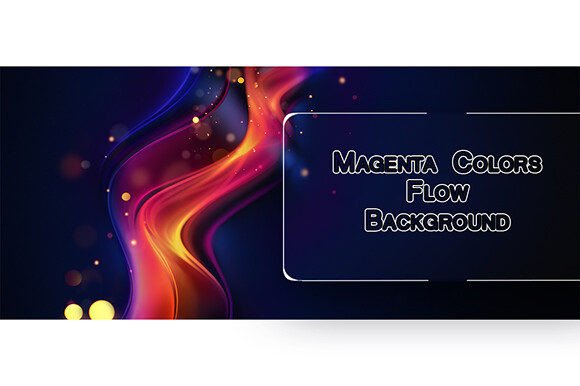
Beautiful Design Background: Elevating Visual Identity with High-Resolution Precision
In an era where digital attention is the scarcest resource, the visual foundation of any project dictates its initial success. A Beautiful Design Background is not merely a decorative afterthought; it is the structural canvas upon which content, branding, and user experience are built. Specifically, utilizing assets like a 4799x2100 px - 300 DPI - JPEG format File represents a strategic decision to prioritize clarity, versatility, and professional polish. For professionals, creators, and entrepreneurs aged 20–50, understanding the technical and aesthetic value of high-resolution backgrounds is no longer optional—it is essential for maintaining credibility in a saturated market.
The Critical Role of Resolution in Modern Digital Workflows
Why does pixel count and dots per inch (DPI) matter so much? The answer lies in the multi-platform nature of modern communication. We no longer design for a single screen or a single print run. A single image must often serve dual purposes: appearing crisp on a retina-display smartphone while also translating seamlessly to a large-format poster or high-quality business card. This is where the specific specifications of a 4799x2100 px resolution become invaluable.
A width of nearly 4800 pixels provides an ultra-wide aspect ratio that is increasingly popular for hero sections on websites, panoramic social media banners, and immersive desktop wallpapers. However, resolution alone is insufficient if the density of the pixels is low. This is why the 300 DPI specification is non-negotiable for premium quality work. Standard screens operate at 72 or 96 DPI, but when a file is saved at 300 DPI, it contains significantly more data per square inch. This ensures that when you scale the image down for a business card or zoom in on a detail, the edges remain sharp, and colors retain their vibrancy without the muddy artifacts associated with low-resolution compression.
- Scalability: High-resolution files allow designers to crop and reframe without losing integrity.
- Cross-Media Consistency: Ensures your brand looks identical whether viewed on a mobile app or printed on packaging.
- Future-Proofing: As display technology improves (e.g., 4K and 8K monitors), having assets that exceed current standards prevents obsolescence.
Versatility Across Professional Applications
The true power of a Beautiful Design Background in JPEG format lies in its adaptability. JPEG remains the industry standard for balancing file size and image quality, making it ideal for web delivery while retaining enough fidelity for print production when paired with high DPI settings. Let’s explore how this specific asset class fits into diverse professional workflows.
Digital Presence and Web Design
For bloggers, marketers, and freelancers, the website is the digital storefront. A 4799x2100 px background is perfectly suited for "hero" images—the large, eye-catching visuals at the top of a landing page. These images set the tone before a user reads a single word of copy. Because the file is high resolution, it can be optimized for web loading speeds using modern techniques (like progressive JPEG encoding) without sacrificing the visual impact. When used as a backdrop for text overlays, the high contrast and clarity provided by a 300 DPI source ensure readability and aesthetic appeal.
Social Media Branding
Social media platforms have evolved from simple photo-sharing sites to complex branding ecosystems. LinkedIn headers, Twitter/X banners, and Instagram story backgrounds all require precise dimensions. A wide-format background allows for creative freedom, enabling brands to incorporate logos, taglines, or thematic elements across the entire span of the banner. Using a premium quality JPG ensures that when users view these profiles on high-density mobile devices, the brand appears established and trustworthy, rather than amateurish or pixelated.
Print Collateral and Packaging
This is where the 300 DPI specification shines. Many digital designers struggle when transitioning to print because they use screen-optimized (72 DPI) images, resulting in blurry prints. By starting with a 300 DPI file, professionals can confidently create:
- Business Cards: Subtle background textures or gradients add depth to cards that would otherwise look flat.
- Postcards and Invitations: For event planners and educators, a beautiful background sets the emotional stage for the message.
- Packaging Design: Product boxes benefit from seamless, high-fidelity patterns that wrap around corners without visible seams or graininess.
- Wall Art and Notebooks: Hobbyists and artists use these backgrounds as base layers for digital journals or printable art, ensuring the final product feels premium.
Evolution of User Expectations and Creative Practices
Twenty years ago, a "good" image was simply one that loaded quickly. Today, user expectations have shifted dramatically. Audiences are visually literate; they subconsciously judge the quality of a service based on the quality of its visuals. A blurred background suggests a lack of attention to detail, which can erode trust in a brand or creator. This shift has driven the demand for premium quality assets that are both aesthetically pleasing and technically robust.
Furthermore, the rise of remote work and digital nomadism has changed how people interact with their environments. Personalizing digital spaces—through custom desktop backgrounds, video call backdrops, and curated social media feeds—has become a form of self-expression. A Beautiful Design Background allows individuals to curate an atmosphere that reflects their personality or professional identity. Whether it’s a minimalist geometric pattern for a corporate freelancer or a vibrant abstract blend for a creative artist, the right background communicates intent instantly.
Practical Recommendations for Implementation
To get the most out of a 4799x2100 px - 300 DPI - JPEG file, consider the following practical steps:
1. Optimize for Web Without Compromising Quality
While the source file is 300 DPI, web browsers do not need that density to display correctly. Use tools to reduce the DPI to 72 or 96 for web display while keeping the pixel dimensions high. This reduces file size and improves load times, which is crucial for SEO and user retention. Always save a backup of the original high-res file for future print needs.
2. Layering and Text Integration
When using these backgrounds for posters or presentations, avoid placing critical text directly over busy areas. Use the high resolution to your advantage by applying subtle opacity adjustments or gradient overlays to ensure legibility. The richness of a 300 DPI JPEG allows for fine-tuning these effects without introducing noise.
3. Color Profile Management
Ensure that your color management workflow is consistent. If you are printing, convert the RGB JPEG to CMYK carefully to maintain color accuracy. The high bit-depth of premium JPEGs helps preserve color transitions during this conversion, preventing banding or dullness in the final print.
Conclusion: Investing in Visual Integrity
In the competitive landscapes of marketing, education, and creative arts, details matter. A Beautiful Design Background is more than just an image; it is a foundational element of communication. By choosing assets with specific, high-quality specifications like 4799x2100 px dimensions and 300 DPI resolution, professionals demonstrate a commitment to excellence. This commitment resonates with audiences, builds brand authority, and ensures that content remains effective across the ever-expanding array of digital and physical touchpoints. Whether you are designing a website, printing invitations, or branding your social media, prioritizing high-resolution, versatile backgrounds is a small investment with significant returns in perceived value and user engagement.