Flower Arrangement Illustration: A Versatile Design Asset
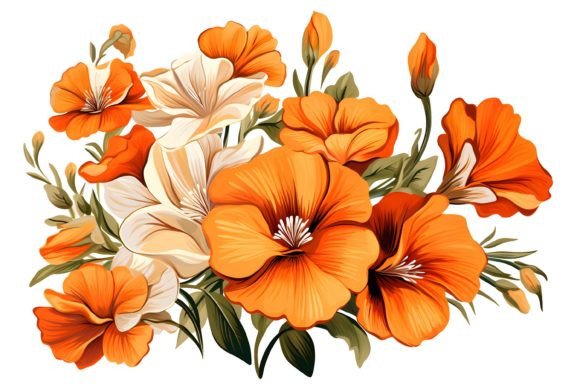
In the world of visual communication, few elements evoke as much immediate warmth and aesthetic pleasure as floral imagery. However, relying solely on photography for every project can sometimes limit your creative flexibility or clash with specific design themes. This is where a high-quality Flower Arrangement Illustration becomes an indispensable tool for designers, planners, and creators. Unlike a photograph, which captures a fleeting moment in time with all its natural imperfections, an illustration offers a curated, stylized interpretation of nature that can be seamlessly integrated into various mediums.
The specific asset we are discussing here is not just a simple drawing; it is a high-resolution digital file designed to meet professional standards. With dimensions of 3000×2000 pixels and a resolution of 300 DPI in RGB color mode, this JPG file provides the clarity and detail necessary for both screen-based and print-ready projects. Whether you are a freelance graphic designer looking to elevate a client’s brand identity or a hobbyist planning a dream wedding, understanding how to leverage this type of asset can significantly enhance the final output of your work.
Understanding the Technical Specifications
Before diving into applications, it is crucial to appreciate why the technical details matter. The term "high quality" in digital assets often gets thrown around loosely, but in professional design, precision is key. A resolution of 300 DPI (dots per inch) is the industry standard for print media. This ensures that when your Flower Arrangement Illustration is printed on cardstock, fabric, or large-format banners, the edges remain crisp and the colors do not pixelate or blur.
The 3000×2000 pixel dimension offers a versatile aspect ratio. It is wide enough to serve as a banner or header background yet detailed enough to be cropped for smaller elements like icons or corner accents. Furthermore, working in RGB color mode means the colors are optimized for digital screens, ensuring vibrancy on websites, social media posts, and digital invitations. If you need to convert this for CMYK printing later, starting with such a high-resolution source file gives you ample room to adjust color profiles without losing data integrity.
Practical Applications Across Industries
The versatility of a Flower Arrangement Illustration lies in its ability to adapt to diverse contexts. Here is how different professionals and hobbyists can utilize this asset effectively:
Wedding and Event Planning
Weddings are perhaps the most common arena for floral imagery. A beautifully illustrated bouquet adds a touch of elegance and romance to wedding cards, save-the-dates, and invitations. Unlike a photo of a specific flower that might go out of season, an illustration feels timeless. You can use this image on the front cover of a program booklet, as a watermark on thank-you notes, or even as part of the decor layout for table numbers. For party invitations, the soft lines and organic shapes of the arrangement can soften the overall look, making the event feel more intimate and welcoming.
Branding and Stationery Design
For small business owners and entrepreneurs, branding is everything. A boutique florist, a wellness coach, or a handmade jewelry seller might find that a photographic logo feels too generic. Incorporating a custom-style Flower Arrangement Illustration into their business cards, letterheads, and packaging can create a distinct visual identity. Because the file is high-resolution, it can be scaled up for packaging boxes or down for social media profile pictures without any loss in quality. This consistency helps build brand recognition and trust among customers.
Digital Content and Web Graphics
In the digital space, engagement is driven by visual appeal. Bloggers and publishers can use this illustration as featured images for articles related to lifestyle, gardening, or events. It works exceptionally well as a decorative element in web headers or sidebars, breaking up text-heavy pages and guiding the reader’s eye. For marketers creating email newsletters, a subtle floral accent can increase click-through rates by making the content feel more personal and less corporate. The RGB format ensures these graphics pop on mobile devices and desktop monitors alike.
Craft Projects and Scrapbooking
For the creative community, including scrapbookers and craft enthusiasts, this asset opens up new possibilities. You can print the illustration on high-quality paper and cut it out to create layered effects in physical albums. Alternatively, because the file is digital, you can use it as a stencil or a guide for hand-drawn projects. It serves as a perfect base for collages, allowing you to mix and match textures and other elements. Fabric printing is another exciting avenue; transferring this design onto cotton or linen can result in beautiful, custom-printed scarves, tote bags, or home decor items like cushion covers.
Why Choose Illustration Over Photography?
You might wonder why one would choose an illustration over a stunning photograph. The answer lies in control and style. Photographs are bound by reality—they capture what is there, including lighting flaws, background clutter, or seasonal limitations. An Flower Arrangement Illustration, however, is stylized. It allows for a level of abstraction and artistic expression that photos cannot match. It fits seamlessly into minimalist designs, vintage-themed layouts, or modern geometric compositions because it lacks the chaotic complexity of real-life flora.
Furthermore, illustrations offer better integration with typography. Text placed over a complex photograph can become hard to read, requiring heavy overlays or shadows. A well-executed illustration typically has more negative space and defined lines, making it easier to layer text and other graphic elements without compromising readability. This makes the asset particularly valuable for educators creating learning materials or bloggers designing infographics.
Best Practices for Implementation
To get the most out of your Flower Arrangement Illustration, consider the following practical tips:
- Check Your Color Profile: While the file is RGB, always double-check your printer’s requirements if you are producing physical goods. Some printers prefer CMYK files. Use design software to convert the mode before sending it to print to avoid unexpected color shifts.
- Layering Techniques: Don’t just place the image flatly. Experiment with layering it behind semi-transparent shapes or using it as a background texture with reduced opacity. This adds depth and sophistication to your design.
- Contextual Relevance: Ensure the style of the illustration matches the tone of your project. A delicate, watercolor-style arrangement suits a bridal invitation, while a bolder, vector-style version might suit a modern business card.
- File Management: Keep the original high-resolution JPG safe. Always work with a copy when editing or resizing to preserve the master file for future projects.
Conclusion
A high-quality Flower Arrangement Illustration is more than just a pretty picture; it is a functional design element that enhances communication, branding, and aesthetic appeal. Its technical specifications make it suitable for a wide range of uses, from digital marketing campaigns to tangible wedding keepsakes. By understanding its strengths and applying it thoughtfully across different platforms, you can elevate your creative projects with a touch of timeless elegance. Whether you are a seasoned professional or a passionate creator, integrating this versatile asset into your workflow can yield impressive results.