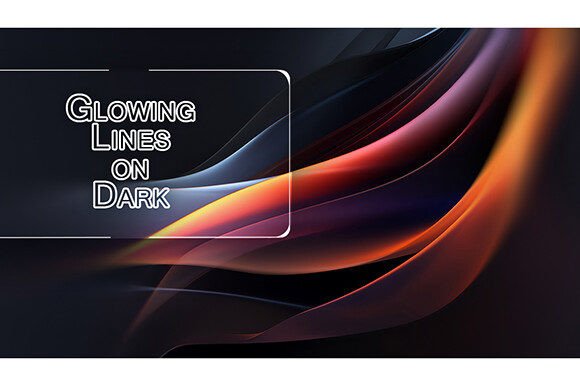
Glowing Lines on a Dark Background
In the vast landscape of digital design, visual impact is often determined by contrast. The interplay between light and shadow creates depth, guiding the eye and establishing mood. One specific aesthetic that has gained significant traction in modern graphic design is the use of Glowing Lines on a Dark Background. This style is not merely a trend; it is a functional design choice that communicates sophistication, technology, and energy. Whether you are designing a website header, a social media post, or a physical poster, understanding how to leverage this visual element can elevate your project from ordinary to exceptional.
The core appeal of this aesthetic lies in its simplicity and versatility. A dark background serves as a canvas that allows bright, luminous lines to pop with intensity. These lines can be straight, curved, abstract, or geometric, creating a sense of movement and dynamism. The "glow" effect adds a layer of realism, mimicking neon lights, fiber optics, or digital data streams. For designers and creators, this means having access to a tool that instantly grabs attention without requiring complex compositions. It is a straightforward way to inject personality into a design while maintaining a clean, professional look.
Why Different Audiences Care About Visual Contrast
Different professionals approach visual assets with distinct priorities. For a beginner, the primary concern is often ease of use and immediate results. Using pre-made high-resolution images like Glowing Lines on a Dark Background removes the need to master advanced lighting techniques or 3D modeling software. A novice designer can drag and drop these elements into their project, achieving a polished look that would otherwise take hours to create from scratch. This accessibility lowers the barrier to entry for those just starting their creative journey.
For experienced professionals and agencies, the focus shifts to quality and flexibility. They require assets that are versatile enough to fit various brand identities yet distinct enough to stand out. A premium 300 DPI JPEG file offers the resolution necessary for both digital screens and large-format printing. Professionals evaluate such assets based on their adaptability. Can the glow be easily masked? Do the colors match standard brand palettes? Is the line weight consistent? High-quality glowing line assets provide the reliability needed for commercial projects where consistency is key.
Educators and content creators may view these visuals through the lens of engagement. In an era of short attention spans, dynamic visuals help retain viewer interest. A static text slide becomes more compelling when overlaid with subtle glowing accents. Educators can use these elements to highlight key concepts or separate sections of a presentation, making complex information easier to digest. The visual rhythm created by glowing lines helps guide the audience’s focus, ensuring that important points are noticed and remembered.
Practical Applications Across Industries
The utility of glowing line aesthetics extends far beyond simple decoration. Here is how different user groups can apply this concept to their specific needs:
- Web Designers and UI/UX Specialists: Use glowing lines to create dividers, hover effects, or background textures for landing pages. A dark-themed website with subtle glowing accents can convey a tech-savvy, modern brand identity. These lines can also serve as navigational cues, subtly directing users toward call-to-action buttons.
- Marketers and Social Media Managers: In crowded feeds, bold visuals cut through the noise. Glowing lines work exceptionally well for event promotions, product launches, or seasonal campaigns. They add a festive or futuristic touch to Instagram stories, Facebook covers, or LinkedIn banners. The high contrast ensures visibility even on smaller mobile screens.
- Entrepreneurs and Small Business Owners: For startups in the tech, gaming, or entertainment sectors, this aesthetic aligns perfectly with industry standards. It can be used for business cards, email signatures, or packaging designs. A sleek, dark package with glowing line details suggests premium quality and innovation, helping small brands compete visually with larger corporations.
- Event Planners and Publishers: Posters, flyers, and invitations benefit greatly from dramatic lighting effects. Glowing lines can frame text, create borders, or simulate stage lighting. For music festivals, tech conferences, or nightlife events, this style captures the energy and excitement of the occasion, making printed materials more likely to be kept or shared.
- Hobbyists and DIY Enthusiasts: Individuals creating personal projects, such as scrapbooks, custom notebooks, or home decor, find value in the creative freedom these assets offer. They allow for experimentation with color and form without the cost of hiring a professional designer. Printing these designs on wall art or postcards provides a personalized touch that reflects individual taste.
Evaluating Quality and Technical Specifications
When selecting visual assets, technical specifications play a crucial role in the final outcome. The mention of a 4571x2000 pixel dimension at 300 DPI indicates a high level of detail. This resolution ensures that the image remains crisp whether viewed on a 4K monitor or printed on a large banner. For beginners, understanding DPI (dots per inch) is essential; a low-resolution image will appear pixelated when printed, undermining the professional intent of the design.
The JPEG format is widely compatible, making it easy to integrate into various software platforms, from Adobe Photoshop to Canva. However, creators should be mindful of compression artifacts. Premium quality files minimize these issues, preserving the smooth gradients of the glow and the sharpness of the lines. When evaluating such assets, consider the color depth. Does the glow fade naturally into the background, or does it have harsh edges? Natural transitions contribute to a more realistic and pleasing aesthetic.
Flexibility is another key factor. While a fixed image offers convenience, some projects may require customization. Creators should assess whether they can adjust the opacity, blend mode, or color overlay of the glowing lines within their chosen software. This ability to tweak the asset allows for greater personalization, ensuring that the visual aligns perfectly with the overall theme of the project. For instance, changing a blue glow to a red one can shift the mood from calm to urgent, demonstrating the power of subtle adjustments.
Making the Right Choice for Your Project
Deciding whether to incorporate glowing lines into your work depends on your goals and audience. If your objective is to communicate clarity, tradition, or minimalism, this style might be too distracting. However, if you aim to evoke emotion, highlight innovation, or create a memorable impression, glowing lines are an excellent choice. Consider the context: does the dark background complement your brand colors? Will the glow enhance readability or obscure important text?
For long-term usefulness, investing in high-quality, versatile assets pays off. Unlike temporary trends, the principle of light-on-dark contrast is timeless. As digital interfaces evolve, the need for clear, engaging visuals remains constant. By mastering the use of these elements, creators can build a library of resources that serve them across multiple projects and years. It is an investment in visual literacy that enhances communication effectiveness.
Ultimately, the value of Glowing Lines on a Dark Background lies in its ability to transform the mundane into the extraordinary. It is a tool that bridges the gap between technical precision and artistic expression. Whether you are a seasoned pro looking for efficiency or a hobbyist seeking inspiration, this aesthetic offers a pathway to more impactful design. By understanding its applications and technical requirements, you can make informed decisions that align with your creative vision and professional objectives.