Mother’s Day, Animal Clipart, Flowers: Crafting Meaningful Designs for a Modern Market
Mother’s Day remains one of the most significant commercial and emotional touchpoints in the retail calendar. For creators, entrepreneurs, and small business owners, it represents a unique opportunity to connect with audiences through sentiment-driven products. However, standing out in a saturated market requires more than just generic greetings; it demands high-quality, versatile assets that resonate with contemporary tastes. This is where specialized digital assets, such as Mother’s Day, Animal Clipart, Flowers, become indispensable tools in the creative workflow.
The intersection of affectionate themes—like maternal love—and whimsical elements, such as cute animals and blooming flora, creates a powerful visual language. When these elements are packaged correctly, offering technical precision like 300dpi resolution and transparent backgrounds, they unlock new possibilities for physical product creation. Whether you are a freelancer designing custom stationery or a brand owner launching a new line of merchandise, understanding how to leverage these specific clipart assets can significantly enhance your output and profitability.
The Evolution of Sentimental Design Trends
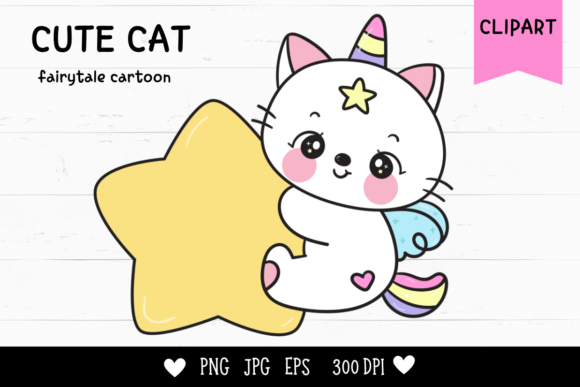
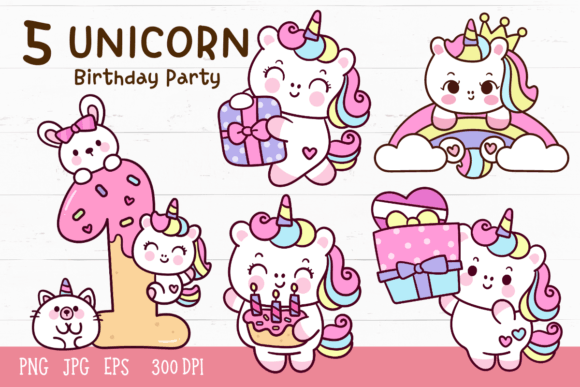
Gone are the days when Mother’s Day marketing relied solely on traditional, somewhat stiff imagery of roses and formal portraits. Modern consumers, particularly those aged 20 to 50, gravitate towards designs that feel personal, playful, and authentic. There has been a noticeable shift towards "cute" aesthetics, often referred to as kawaii or cozy design styles, which evoke warmth and nostalgia. The combination of animal clipart and flowers clipart taps into this trend perfectly.
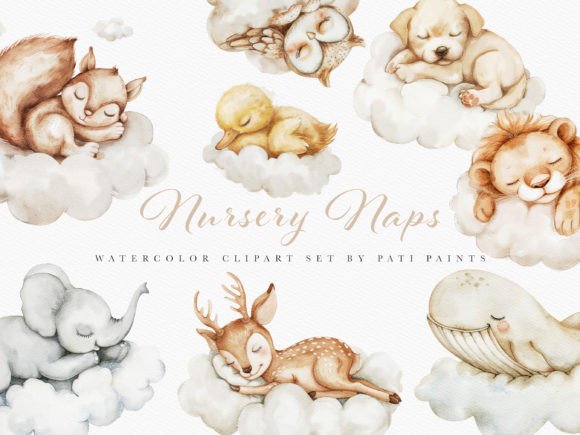
Animals provide an immediate emotional connection. A puppy, a kitten, or a bunny holding a bouquet triggers a protective and loving response that aligns seamlessly with the theme of motherhood. Meanwhile, floral elements add sophistication and natural beauty, balancing the cuteness with elegance. This duality allows designers to target a broader audience. You can create something adorable for younger mothers who appreciate playful graphics, or something refined for those who prefer classic botanical illustrations. By merging these two distinct visual categories, you create a versatile asset library that can adapt to various brand voices.
Technical Specifications Matter: Why 300dpi and Transparency Are Non-Negotiable
In the world of digital illustration, intent does not equal quality. A beautiful image is only useful if it can be reproduced accurately across different mediums. This is why the technical specifications of your clipart are just as important as its artistic merit. The availability of Cute animal 4 PNG files 300dpi on a transparent background addresses two critical needs for professional printing:
- Resolution (300dpi): Dots per inch determine the sharpness of a print. Standard web images are typically 72dpi, which looks pixelated and blurry when printed on large surfaces like t-shirts or posters. 300dpi is the industry standard for high-quality offset and digital printing. It ensures that every detail—from the texture of fur to the delicate veins in a flower petal—is crisp and clear. For creators selling physical products, using low-resolution assets leads to customer dissatisfaction and returns.
- Transparent Backgrounds: PNG files with transparency allow the artwork to sit cleanly on any background color or material. If you are printing on a white ceramic mug, a black tote bag, or a pastel-colored invitation card, a transparent background ensures there is no awkward white box around your illustration. This flexibility is crucial for packaging design, where the logo or graphic must integrate seamlessly with other brand elements.
These technical features transform simple digital drawings into professional-grade assets. They save time in post-production, as designers do not need to spend hours masking out backgrounds or upscaling images, which often results in loss of quality. Instead, the focus shifts entirely to creativity and layout.
Expanding Product Possibilities Beyond Digital Goods
One of the most compelling aspects of owning rights to high-quality clipart is the ability to create and sell physical products. While many creators stick to digital downloads, the real value often lies in tangible goods. With the right assets, you can diversify your revenue streams by exploring a wide array of merchandise.
Apparel and Accessories
T-shirts, hoodies, and tote bags are perennial bestsellers during Mother’s Day. The key here is placement and scale. A cute animal wearing a flower crown works beautifully centered on a tee, while a repeating pattern of smaller flowers and animals can create a stylish all-over print. The transparency of the PNG files allows you to overlay these designs onto textured fabrics, simulating how the ink will interact with the material before you even commit to production.
Stationery and Paper Goods
Postcards, business cards, invitations, and greeting cards remain a cornerstone of the holiday. In an increasingly digital world, receiving a physical card carries extra weight and appreciation. High-resolution floral and animal clips allow for intricate details that look stunning in print. Consider creating matching sets: a postcard featuring a mother animal and her young, paired with a thank-you note that uses a complementary floral border. These cohesive collections encourage customers to buy multiple items, increasing your average order value.
Packaging and Branding
For businesses selling gifts, packaging is part of the product experience. Imagine a box of homemade cookies wrapped in paper featuring a subtle pattern of the cute animal and flower clipart. Or a gift tag attached to a bottle of wine, adorned with a delicate floral wreath. These touches elevate the perceived value of the item. Because the illustrations are created according to a specific idea using AI, they offer a unique aesthetic that may not be easily found in generic stock libraries, giving your brand a distinctive edge.
Covers and Home Decor
The applications extend to book covers for children’s literature, journal covers, and even home decor items like throw pillows or framed prints. The versatility of 300dpi PNGs means they can be scaled up for large formats without losing integrity. A large-scale print of a floral arrangement surrounding a central animal motif can serve as a striking piece of wall art, capturing the essence of nurturing and growth associated with Mother’s Day.
The Role of AI in Creative Production
The mention that these illustrations are made using AI according to a specific idea is significant. It highlights a modern approach to content creation where technology serves as a collaborator rather than a replacement. AI tools allow for rapid prototyping and the generation of unique concepts that might take weeks to illustrate by hand. However, the human element—the initial idea, the curation, and the refinement—remains vital.
This hybrid workflow enables creators to produce high volumes of consistent, high-quality assets. It democratizes design, allowing individuals without extensive drawing skills to produce professional-looking clipart. For entrepreneurs, this means lower barriers to entry and faster time-to-market. You can test different variations of animal and flower combinations to see what resonates with your audience, iterating quickly based on feedback. Yet, it is essential to maintain ethical standards and ensure that the final output meets the quality expectations of your customers. The transparency regarding the use of AI builds trust, showing that while the tool is automated, the vision is human.
Practical Recommendations for Creators and Businesses
To maximize the potential of assets like Mother’s Day, Animal Clipart, Flowers, consider the following strategies:
- Bundle Your Assets: Create themed bundles. Offer a "Spring Garden" pack with various flowers and animals, or a "Mom & Me" collection. Bundles increase perceived value and encourage larger purchases.
- Focus on Niche Markets: Instead of targeting everyone, focus on specific niches. For example, design specifically for dog lovers, cat enthusiasts, or gardening clubs. Tailored clipart resonates more deeply with these communities.
- Invest in Mockups: Use high-quality mockups to showcase your designs on physical products. Show how the 300dpi PNG looks on a real coffee cup or a folded invitation. This helps buyers visualize the end result and reduces purchase hesitation.
- Ensure Legal Clarity: Clearly define the usage rights. Since you intend for these to be used for physical products, specify whether commercial use is allowed, if attribution is required, and if there are limits on the number of items produced. Clear terms protect both you and your customers.
- Stay Seasonally Relevant: While Mother’s Day is the primary driver, these assets can be repurposed for birthdays, baby showers, or spring-themed events. Plan your marketing calendar to highlight these alternative uses throughout the year.
Conclusion
The market for Mother’s Day products is evergreen, but the methods of creation and distribution are evolving. By leveraging high-quality, technically sound assets like Cute animal 4 PNG files 300dpi on a transparent background, creators can bridge the gap between digital convenience and physical tangibility. The combination of AI-assisted design with thoughtful application allows for the production of unique, emotionally resonant products that stand out in a crowded marketplace.
Whether you are printing on cups, crafting personalized stationery, or launching a clothing line, the success of your venture depends on the quality of your foundational assets. Prioritizing resolution, transparency, and thematic relevance ensures that your designs not only look good on screen but shine in the hands of the recipient. As consumer preferences continue to shift towards personalized and meaningful gifts, mastering the art of combining cute animal clipart with elegant floral designs offers a robust strategy for capturing attention and driving sales. Embrace these tools, experiment with new combinations, and remember that behind every great design is a clear understanding of the audience it serves.