Rainbow Wood Seamless Pattern: A Comprehensive Evaluation for Designers
In the realm of digital design and physical craft, texture plays a pivotal role in establishing atmosphere, depth, and visual interest. Among the various textures available to designers, wood remains a perennial favorite due to its organic warmth and versatility. However, traditional wood textures can sometimes feel static or overly rustic. This is where specialized assets like the Rainbow Wood Seamless Pattern enter the creative workflow. By combining the familiar grain of timber with a vibrant, multicolored palette, this asset offers a unique hybrid that bridges the gap between natural aesthetics and modern, playful graphic design.
This evaluation explores the specific characteristics, applications, and technical specifications of the Rainbow Wooden Texture Seamless Pattern. The goal is to help designers, crafters, and business owners determine whether this specific pattern aligns with their project requirements, budget, and aesthetic goals.
Understanding the Asset: What Is It?
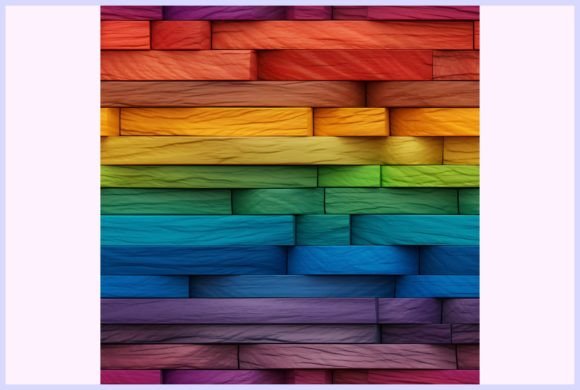
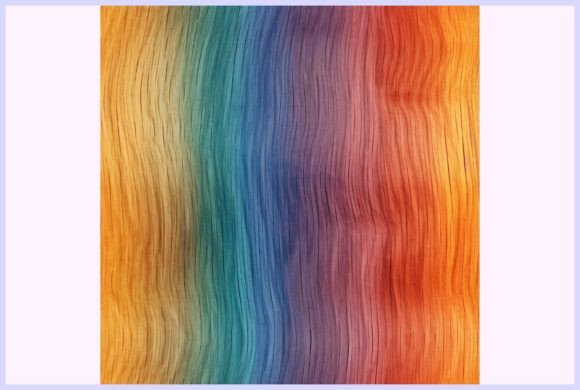
The Rainbow Wood Seamless Pattern is a digital graphic asset designed to mimic the look of wooden planks or surfaces but rendered in a spectrum of colors rather than standard browns and tans. The term "seamless" indicates that the image is constructed so that it can be tiled indefinitely without visible seams or breaks. When repeated horizontally and vertically, the edges of one tile blend perfectly into the next, creating an infinite field of rainbow-hued wood grain.
Unlike solid color fills or simple gradients, this pattern retains the micro-details of wood texture—such as knots, rings, and grain lines—while applying a chromatic twist. This duality allows the texture to serve two purposes simultaneously: it provides the structural visual cue of wood while delivering the energetic impact of a rainbow palette. The file is typically provided as a high-resolution JPG, ensuring compatibility with a wide range of software environments, from Adobe Photoshop to Canva and Microsoft PowerPoint.
Technical Specifications and Quality Considerations
Before purchasing or downloading any digital asset, understanding the technical specifications is crucial for ensuring the final output meets quality standards. The Rainbow Wood Seamless Pattern described here comes with specific attributes that influence its usability:
- Resolution and Clarity: The pattern is offered at 300 DPI (Dots Per Inch). In print design, 300 DPI is the industry standard for high-quality output. This ensures that when the pattern is printed on physical items, the wood grain details remain sharp and do not appear pixelated or blurry.
- Dimensions: At 2400×2400 pixels, the source file provides a substantial canvas. While this may seem small for large-scale billboard printing, it is more than sufficient for most commercial printing needs, including brochures, business cards, and web graphics. For larger formats, the seamless nature of the pattern allows designers to scale it up by repeating the tile multiple times in their layout software.
- Color Mode: The file is in RGB color mode. This is ideal for digital displays, websites, and screen-based presentations. However, designers working on high-end print projects should be aware that RGB colors can shift slightly when converted to CMYK for professional printing. Testing a small proof print is always recommended to ensure color accuracy.
- File Format: As a JPG file, the asset is universally accessible. There are no complex layer structures to manage, which makes it easy to drop into almost any design program. However, JPG is a lossy compression format, meaning some minor detail might be lost compared to PNG or TIFF formats. For most decorative uses, this is negligible, but for extreme close-ups, it is worth noting.
Primary Use Cases and Applications
The versatility of the Rainbow Wood Seamless Pattern makes it suitable for a diverse array of applications. Its ability to overlay onto other surfaces and items expands its utility beyond simple background usage.
Physical Product Decoration
One of the strongest use cases for this pattern is direct-to-garment printing, sublimation, or vinyl wrapping. Because the pattern is seamless, it can cover entire surfaces such as phone cases, notebooks, tote bags, or even furniture pieces. The contrast between the organic wood shape and the synthetic rainbow colors creates a striking visual that appeals to markets looking for unique, personalized goods.
Stationery and Print Materials
For stationery designers, this pattern offers a fresh alternative to traditional paper textures. It is particularly effective for:
- Invitations and Cards: The playful nature of the rainbow wood can suit birthday parties, children’s events, or creative corporate invitations.
- Business Cards: Using the pattern as a background for business cards can make a brand stand out, provided the text contrast is managed correctly.
- Planner Stickers and Scrapbooking: Crafters can cut out sections of the pattern to create stickers or scrapbook elements that add a pop of color to personal organization systems.
Digital and Web Graphics
In the digital space, the pattern serves well as a background for websites, blog headers, or social media banners. The 2400-pixel width allows it to function as a hero banner image on many screens without requiring complex cropping. Additionally, it can be used in decoupage projects, where the printed pattern is glued onto objects and sealed, adding a durable, colorful finish to DIY home decor items.
Evaluating Tradeoffs and Limitations
While the Rainbow Wood Seamless Pattern offers significant benefits, potential users should consider certain tradeoffs before integrating it into their workflow.
Aesthetic Balance: The combination of wood texture and rainbow colors is inherently bold. In designs where subtlety is required, this pattern may overwhelm other elements. It works best when used as a background or accent, rather than the sole focal point. Designers must carefully select typography and supporting graphics that complement, rather than compete with, the busy texture of the wood grain.
Print vs. Digital Discrepancy: As mentioned, the RGB color mode is optimized for screens. If the end goal is a professionally printed product using CMYK inks, the vibrant purples, greens, and blues in the rainbow spectrum may appear muted or shifted. Users should allocate time for color correction if strict brand color matching is required.
Target Audience Perception: The "rainbow" aspect lends a playful, youthful, or artistic vibe. This may not be appropriate for formal, corporate, or luxury branding contexts where understated elegance is preferred. Understanding the target audience is essential; this pattern resonates strongly with creative industries, children’s products, and lifestyle brands.
When to Choose This Pattern Over Alternatives
Designers often have access to numerous wood textures. Here is how the Rainbow Wood Seamless Pattern compares to alternatives:
- Versus Realistic Brown Wood: Choose the Rainbow Wood pattern when you want to evoke creativity, fun, or modernity. Realistic wood is better suited for rustic, traditional, or eco-friendly themes.
- Versus Solid Color Backgrounds: Choose this pattern when you need visual depth and interest without the complexity of a photograph. It adds texture without the noise of a real-world photo.
- Versus Vector Patterns: The JPG format of this pattern is raster-based. If you need infinite scalability for massive billboards without any pixelation, a vector SVG pattern might be superior. However, for standard print and web sizes, the 300 DPI JPG is highly efficient and easy to use.
Practical Decision-Making Insights
To determine if the Rainbow Wood Seamless Pattern is the right choice for your project, consider the following checklist:
- Does your project require a playful or creative aesthetic? If yes, this pattern is a strong candidate.
- Are you printing on varied surfaces? The seamless feature makes it ideal for wrapping irregular shapes or covering large areas uniformly.
- Do you need easy integration? The JPG format and lack of complex layers make it beginner-friendly.
- Is color accuracy critical for print? If so, be prepared to adjust the RGB file to CMYK profiles before final printing.
Ultimately, the Rainbow Wooden Texture Seamless Pattern is a versatile tool for expanding creative possibilities. It transforms a classic material into a contemporary design element, offering endless opportunities for customization across digital and physical mediums. By understanding its technical limits and aesthetic strengths, users can leverage this asset to create distinctive, high-impact designs that stand out in a crowded marketplace.