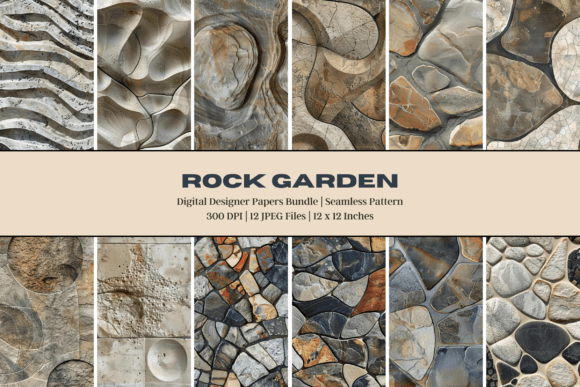
Rock Garden Digital Paper: A Practical Guide to Elevating Your Creative Projects
Creativity often hinges on the details. Whether you are designing a custom wedding invitation, laying out a digital scrapbook page, or branding a small business, the foundation of your project is often the background texture or pattern. This is where Rock Garden Digital Paper steps in as a versatile asset for creators across various disciplines. It is not merely a collection of images; it is a toolkit designed to add depth, character, and professional polish to a wide array of physical and digital outputs.
The appeal of this specific digital paper pack lies in its adaptability. With twelve seamless patterns provided in high-resolution formats, it caters to everything from delicate handmade stationery to robust packaging designs. However, simply downloading a ZIP file does not guarantee success. Many creators, particularly those new to digital crafting, overlook critical technical nuances that can ruin the final quality of their work. Understanding what is included and how to properly utilize these assets is essential for achieving results that look intentional and high-end.
Understanding What You Are Actually Getting
Before diving into application, it is crucial to clarify exactly what Rock Garden Digital Paper offers. The package contains 12 seamless patterns, all packed neatly into a single ZIP file for easy access. Each pattern is delivered in JPG format at a resolution of 300 DPI (dots per inch) and sized at 12 x 12 inches. While these specifications might sound standard, they carry significant weight in the world of print production and digital design.
The 12 x 12-inch dimension is the industry standard for digital scrapbooking, but it also serves well for blog headers, social media graphics, and web backgrounds. The 300 DPI resolution ensures that when you scale these images up for printing—whether on cardstock, wrapping paper, or hardcover book bindings—the edges remain crisp and free from pixelation. If you are using these textures for screen-only projects, such as website designs or logos, the high resolution allows for flexibility in scaling without losing clarity.
Common Pitfalls in Using Digital Textures
Even with high-quality assets like Rock Garden Digital Paper, mistakes happen during the workflow. One of the most frequent errors is assuming that all digital papers behave the same way in different software environments. For instance, a pattern that looks perfect in Adobe Photoshop might tile incorrectly in a simpler word processor if the tiling settings are not adjusted. Another common issue is ignoring the file format limitations. While JPGs are universally compatible, they use lossy compression. If you plan to edit the colors extensively or overlay multiple layers, working directly with compressed JPGs can lead to visible artifacts or "noise" in the shadows and highlights.
Furthermore, many users fail to check the aspect ratio before starting a layout. If your target medium is an A4 letter-sized document, forcing a 12 x 12-inch square image into that space will result in cropping or awkward white borders. Conversely, using a small preview version of the paper for a large-format print job will result in blurry, unprofessional output. These oversights do not just affect aesthetics; they impact efficiency, leading to wasted time reworking files or, worse, wasted money on printed materials that need to be redone.
Strategic Applications Across Industries
The versatility of Rock Garden Digital Paper extends far beyond traditional crafts. Let’s look at how different professionals can leverage these patterns effectively.
- Wedding and Event Planners: Use the seamless patterns for digital invitations, save-the-date cards, and place cards. The rock-inspired textures add a rustic yet elegant touch that pairs beautifully with minimalist typography. Ensure you export your final designs in CMYK color mode if sending them to a professional printer to avoid color shifts.
- Small Business Owners and Entrepreneurs: Incorporate these patterns into business cards, product packaging, and branded note sheets. For example, a jewelry maker might use a subtle rock texture as a background for their logo placement, creating a sense of durability and natural beauty. When designing packaging, ensure the pattern aligns correctly with fold lines to maintain visual continuity.
- Blogger and Content Creators: Utilize the 12 x 12-inch dimensions for featured post images or sidebar widgets. The seamless nature of the patterns allows for creative header designs that span across different screen sizes without obvious breaks. Remember to optimize the file size for web use by compressing the images appropriately after editing, so your site loads quickly.
- Educators and Hobbyists: Create engaging learning materials, such as decorated journals, bookmarks, or classroom decorations. The high resolution ensures that handouts and printed activities look sharp. For DIY furniture projects, these digital patterns can serve as references for decoupage techniques, allowing you to visualize how the texture will look on a tabletop or drawer front before applying glue.
Best Practices for Implementation
To get the most out of your Rock Garden Digital Paper, adopt a systematic approach to file management and design. First, always unzip the file immediately upon download and back up the original folder. Working with copies prevents accidental overwriting of the source material. Second, familiarize yourself with the tiling properties of your chosen software. In programs like Photoshop or GIMP, you can create a pattern swatch from the JPG, which allows you to fill shapes or entire canvases seamlessly. This technique is invaluable for creating backgrounds for websites or app interfaces.
When preparing files for print, always proofread your layout at 100% zoom. Check for any unintended gaps between tiles, especially if you are extending the pattern beyond the original 12 x 12-inch boundary. If you are combining multiple patterns, consider adjusting the opacity or blending modes to create depth rather than clutter. For instance, placing a semi-transparent layer of one rock pattern over another can create a complex, organic texture that looks professionally mixed.
Another practical tip is to test prints. Before committing to a full run of wedding invitations or product tags, print a single sample on the actual paper stock you intend to use. Different paper weights and finishes (matte vs. glossy) interact with digital ink differently. A pattern that looks vibrant on a backlit monitor might appear dull on matte cardstock. Adjusting your brightness and contrast levels based on a physical test print can save you from costly reprinting errors.
Evaluating Value and Suitability
Not every digital asset fits every project. When evaluating whether Rock Garden Digital Paper is right for your needs, consider the theme and tone of your brand or event. The rock garden aesthetic leans towards natural, earthy, and grounded vibes. It may not be suitable for ultra-modern, neon-themed parties or corporate tech presentations unless used very subtly. Be honest about whether the texture supports your message or distracts from it.
Additionally, verify the licensing terms associated with the purchase. Most digital papers allow for personal and commercial use, but some restrictions may apply regarding resale as standalone digital files. Always read the fine print to ensure you are compliant, especially if you are selling physical products like journals or greeting cards that feature these designs prominently.
Ultimately, the value of Rock Garden Digital Paper lies in its ability to streamline your creative process. By providing high-quality, ready-to-use textures, it removes the barrier of having to create unique backgrounds from scratch. However, success depends on your attention to detail—from proper file handling and software configuration to thoughtful design choices and print testing. By avoiding common pitfalls and leveraging the strengths of these 12 seamless patterns, you can produce work that is not only visually appealing but also technically sound and professionally executed.