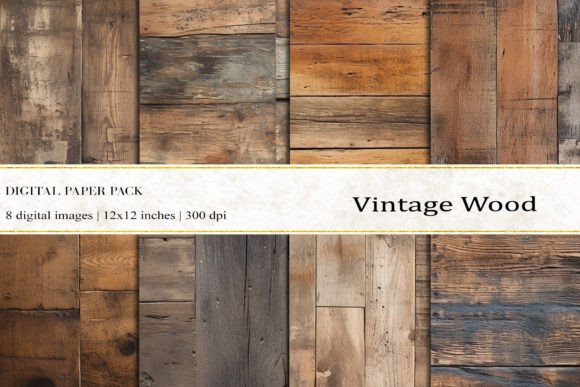
Vintage Wood Digital Papers
In an era dominated by sleek, minimalist interfaces and hyper-polished corporate aesthetics, there is a quiet but persistent resurgence of tactile warmth in digital design. This shift is not merely nostalgic; it is a response to the fatigue caused by sterile, uniform visuals. Enter Vintage Wood Digital Papers, a resource that bridges the gap between organic craftsmanship and modern digital workflows. These textures are no longer just background elements; they have become essential tools for creators seeking to inject authenticity, depth, and character into their projects.
The appeal of wood textures lies in their universal familiarity. Everyone has touched wood, seen its grain, or felt its weight. When rendered digitally with high fidelity, these textures trigger a subconscious sense of reliability and timelessness. For professionals ranging from graphic designers to small business owners, leveraging Vintage Wood Backgrounds offers a strategic advantage. It humanizes brands, softens rigid layouts, and creates a visual anchor that stands out in crowded digital feeds. Whether you are designing a rustic wedding invitation or a sophisticated brand identity for a boutique coffee shop, the right wood texture can convey quality without saying a word.
The Evolution of Digital Textures in Modern Workflows
Gone are the days when digital assets were viewed as cold substitutes for physical media. Today’s creative economy values hybrid experiences. Consumers expect the convenience of digital interaction paired with the emotional resonance of physical materials. This demand has elevated the importance of high-quality Vintage Wood Textures. In the past, achieving a realistic wood look required complex layering techniques in Photoshop or sourcing physical samples for photography. Now, premium digital paper sets provide instant access to photorealistic grains, knots, and weathered finishes.
This evolution reflects a broader trend toward "digital scrapbooking" and mixed-media design. As remote work and online entrepreneurship have normalized, the need for personal branding has skyrocketed. Entrepreneurs and freelancers are constantly creating content that needs to feel both professional and approachable. A plain white background on a social media post often gets lost in the scroll. However, a card overlay featuring a rich, aged oak texture immediately draws the eye and suggests craftsmanship. The integration of these textures into daily workflows allows creators to maintain a consistent aesthetic across various platforms, from Instagram stories to printed letterheads.
Why High-Fidelity Matters: Technical Specifications Explained
Not all digital papers are created equal. The difference between a generic clip-art wood pattern and a professional-grade asset lies in resolution and detail. A set like the Vintage Wood Digital Papers collection, which typically includes 8 distinct designs at 12×12 inches in JPG format at 300 dpi, ensures that every pixel serves a purpose. The 300 dpi standard is crucial because it meets the threshold for high-quality printing. If you intend to use these textures for tangible products, such as custom packaging or framed art, lower-resolution images will appear pixelated or blurry when scaled up.
The 12×12 inch dimension is particularly significant for scrapbookers and planners. It is the industry-standard size for digital crafting, allowing users to seamlessly integrate these backgrounds into existing templates without awkward cropping or distortion. Furthermore, receiving eight unique variations provides versatility. One texture might feature a smooth, polished pine ideal for clean, modern designs, while another might offer deep, cracked walnut suitable for bold, dramatic statements. This variety prevents monotony and allows for dynamic composition in collage-based projects.
Practical Applications Across Industries
The utility of Vintage Wood Digital Papers extends far beyond traditional crafts. While they are undoubtedly perfect for planner stickers and scrapbooking, their application in commercial and professional spheres is equally robust. Here is how different user groups are leveraging these assets:
- Small Business Owners and Marketers: For businesses selling artisanal goods, food products, or handmade jewelry, wood textures serve as a visual metaphor for natural ingredients and handcrafted care. Using a vintage wood background for product photos or promotional graphics helps align the brand image with values of sustainability and authenticity. They are also excellent for creating business cards that leave a memorable impression, moving away from the forgettable glossy finish.
- Educators and Content Creators: Teachers and bloggers often struggle to make digital learning materials engaging. Incorporating wood-textured borders or headers into worksheets, e-books, or blog posts can reduce cognitive load by providing a familiar, calming visual structure. It makes digital content feel less like a screen and more like a workbook or a journal.
- Event Planners and Stationery Designers: Weddings, birthdays, and corporate retreats often require cohesive stationery suites. Vintage Wood Digital Papers are ideal for designing invitations, cardmaking projects, and letterhead designs. The texture adds a layer of sophistication that pairs beautifully with elegant typography and floral accents. For parties, these textures can be used to create digital decor elements, such as virtual backdrops for video calls or printable table numbers.
- Web Designers and UI/UX Specialists: While full-page wood backgrounds can sometimes hinder readability, using them strategically as section dividers, button overlays, or hero image treatments can add personality to websites. They are particularly effective for portfolios of photographers, artists, and craftsmen who want their digital presence to reflect their physical work.
Crafting Authenticity with Collages and Mixed Media
One of the most powerful ways to utilize Vintage Wood Backgrounds is through the art of digital collage. Modern design trends favor layered, textured compositions that mimic the randomness and beauty of real-world arrangements. By combining wood textures with other elements—such as dried flowers, vintage photographs, handwritten notes, or geometric shapes—creators can produce unique visuals that cannot be replicated by stock photography alone.
This approach is especially relevant for home decor items and photo albums. Imagine designing a custom cover for a family photo album using a distressed wood texture as the base, overlaid with a subtle linen pattern and a central focal point of a family portrait. The result is a product that feels heirloom-quality. Similarly, for those interested in fabric printing, these digital papers can be prepared for transfer onto textiles, allowing hobbyists to create one-of-a-kind tote bags, pillowcases, or wall hangings that bring the warmth of wood into living spaces.
Maximizing Value: Tips for Implementation
To get the most out of your Vintage Wood Digital Papers set, consider the following practical recommendations:
- Layering is Key: Do not rely on the wood texture as the sole visual element. Blend it with solid colors, patterns, or transparent overlays to adjust the intensity. This prevents the design from becoming too busy or dated.
- Color Correction: Vintage wood tones can vary from light honey to dark espresso. Use color adjustment tools to match the texture to your specific brand palette. A cool-toned filter can make wood look more modern and industrial, while warm filters enhance its cozy, rustic appeal.
- Consistency Across Formats: Ensure that the wood texture looks good both on screen and in print. Since the files are 300 dpi, test a small printout before committing to large-scale production. Check for any banding or loss of detail that might occur during the printing process.
- Strategic Placement: Use wood textures as framing devices rather than full backgrounds for text-heavy content. This ensures readability while still benefiting from the aesthetic warmth of the material.
Conclusion: Investing in Timeless Aesthetics
The demand for Vintage Wood Digital Papers is driven by a desire for connection in a disconnected world. As technology continues to advance, the value of human-centric design increases. These digital assets offer a cost-effective way to infuse projects with soul, history, and texture. Whether you are a seasoned designer looking to expand your toolkit or a hobbyist starting your first scrapbook, this set of 8 high-resolution papers provides the foundation for creating meaningful, beautiful work. By embracing the organic beauty of wood in your digital creations, you are not just following a trend; you are participating in a long-standing tradition of craftsmanship, adapted for the modern age.
For those ready to elevate their creative output, exploring resources like Vintage Wood Digital Papers is a practical step toward more engaging and authentic design. From web graphics to stationary and everything in between, the right texture can transform a good design into a great one. Start experimenting with layers, combinations, and applications today, and discover how these simple yet powerful assets can redefine your creative workflow.